

ai-toolbox
deep dive into applications and algorithms
Chatter detection in milling
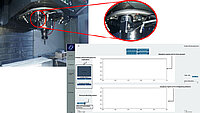 Development of an AI-based monitor & control system for milling that is focused on chatter detection. The system enhances machining efficiency and improves surface quality plus tool life. Overall, this results in increased machine throughput and part quality while reducing downtime by identifying unacceptable vibration patterns in real time.
An AI powered vision system for real-time defect detection
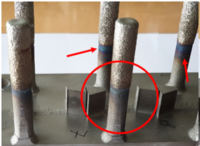 A deployment of specialized cameras for metallic addivite manufacturing process monitoring and defect detection
Unsupervised ML and fuzzy logic for stl model optimization
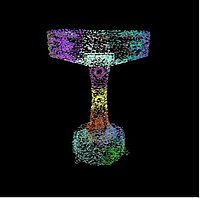 An AI-driven solution for optimizing 3D mold design in toy production. By applying unsupervised machine learning and fuzzy logic, the tool reduces the number of unique parts, cutting costs, saving resources, and improving design efficiency. This approach streamlines injection molding processes, delivering economic and environmental benefits.
Reduce energy and amount of IPA in the process industry
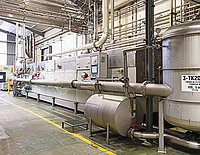 AI solution to optimize the manufacturing process in an organic products line to reduce waste and energy consumption. A decision-support system supports employees to operate the line with more agility and robustness despite both internal and external changes. It strongly supports sustainability goals and carbon footprint reduction.
Sliding Detection for Friction Welding Machine Tools Using AI
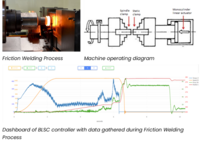 SLIDE application idea involves leveraging an existing IoT platform on a test bench machine in BERKOA facilities to extract and analyse data from the controller, focusing on parameters such as torque, pressure, and forces. This data will be used to conduct experiments on welding machine jigs, specifically to study and detect the sliding phenomenon (unwanted movement of workpiece mounted in static clamp) during the welding process.
AI Fabric Defect Inspection
D-TASE integrates industrial cameras, controlled lighting, AI-based defect detection, and a web dashboard into ROK Tekstil’s existing fabric inspection process. The system identifies fabric anomalies in denim and non-denim materials, supports operator review, and generates quality insights. It improves inspection speed and consistency while reducing waste, second-quality products, and environmental impact.